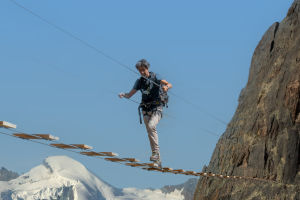
The crunch of snow beneath your boots and the crisp mountain air can make you feel unstoppable—but climbing a snow-covered peak isn't just about willpower.
Without proper preparation, even a short hike can become risky. Knowing the essentials before you start can make your climb safer and more enjoyable.
Check Weather and Conditions
Weather on snow mountains can change in minutes. A sunny morning can quickly turn into a blizzard, making trails invisible and dangerous.
Key steps:
- Check forecasts: Use reliable weather apps or local ranger stations to get current conditions. Look for temperature, wind speed, and avalanche risks.
- Monitor snow depth: Heavy recent snowfall can hide crevices or unstable ice. Knowing snow conditions helps plan safe routes.
- Plan contingencies: Always have an alternate plan if weather turns bad. For instance, know nearby shelters or lower trails that are safer.
Actionable example: Before setting out, review the 24-hour weather forecast and download offline maps of your route. Carry a whistle and signaling device in case visibility drops suddenly.
Dress in Layers and Gear Up
Staying warm and dry is crucial. Snow mountains are cold, and hypothermia can happen faster than you expect.
Essential items:
- Base layer: Moisture-wicking clothing keeps sweat off your skin. Avoid cotton—it traps moisture.
- Insulating layer: Fleece or down provides warmth without adding bulk.
- Outer shell: Waterproof and windproof jackets protect against snow and gusts.
- Accessories: Gloves, hats, and thermal socks prevent frostbite. Sunglasses or goggles shield your eyes from glare.
Actionable example: Pack a lightweight emergency blanket or extra gloves. If you start feeling too cold, these can make a big difference before reaching shelter.
Nutrition and Hydration
Climbing burns more energy than you might expect, and dehydration can sneak up even in cold weather.
Tips:
- High-energy snacks: Nuts, dried fruits, and energy bars provide calories quickly.
- Hydration: Water and electrolyte drinks help maintain performance. Snow can be melted for water if necessary, but treat it before drinking.
- Frequent small meals: Eating every 1–2 hours keeps energy levels stable and avoids fatigue.
Actionable example: Carry a small insulated bottle to prevent water from freezing. Take small sips regularly rather than waiting until you're very thirsty.
Pace Yourself and Acclimate
Altitude affects your body, making breathing harder and fatigue faster. Going too fast increases risk of altitude sickness.
Strategies:
- Gradual ascent: Spend a day or two at lower elevations to adjust before climbing higher.
- Listen to your body: Headaches, nausea, or dizziness are signs to rest or descend.
- Short breaks: Rest frequently, stretch, and take in calories and fluids to maintain energy.
Actionable example: Use a “climb high, sleep low” approach—hike to a higher point during the day, then return to a lower camp to sleep. This helps your body acclimate gradually.
Safety and Emergency Preparedness
Even with planning, accidents happen. Being ready can save your life.
Essentials:
- Navigation tools: Map, compass, and GPS can help you find your way if trails vanish under snow.
- Communication: Carry a fully charged phone, portable charger, or satellite messenger.
- First aid kit: Include bandages, blister care, and supplies for minor injuries. Know basic first aid for hypothermia and frostbite.
Actionable example: Before the climb, share your route and expected return time with a trusted contact. This ensures help can reach you if you don't check in.
Climbing a snow-covered mountain is exhilarating, but preparation makes the difference between an unforgettable adventure and a dangerous situation. From checking the weather to pacing your ascent, every choice matters. When you plan carefully, dress appropriately, and respect the mountain, the view from the summit is not only breathtaking—it's earned safely.