Fishing trips are full of small decisions that can make a big difference.
One of the most overlooked is the type of net you bring along. Choosing the right net doesn't just mean more fish—it can make the whole experience smoother and more sustainable.
From traditional encircling nets to modern dragging systems, each method has its own rhythm, strategy, and secret to success.
Understanding Surrounding Nets
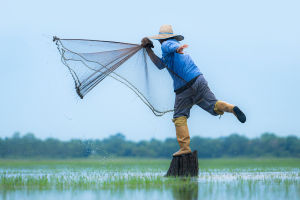
Surrounding nets, often called encircling or purse nets, work by trapping fish in a ring. Imagine spotting a school of fish near the surface. You throw the net to circle them completely, then pull it tight like a drawstring bag. This method is great for species that swim in groups, like mackerel or sardines.
Tips for using surrounding nets effectively:
Watch the water closely to locate dense fish clusters.
Time the throw carefully—too early or too late and fish scatter.
Use a net with the right mesh size to avoid capturing smaller, juvenile fish unintentionally.
For example, local anglers often mark fish schools with floating buoys, making it easier to coordinate the encirclement. Practicing the throw on land first can improve accuracy and speed when it matters most.
Exploring Dragging Nets
Dragging nets, or trawl nets, are pulled behind a moving boat, sweeping the water like a giant broom. These nets can reach deeper areas that are difficult to target with hand-thrown nets. They're particularly useful for catching fish that move along the seabed or mid-water.
Actionable advice for trawling:
Plan the boat's path to cover dense areas without wasting energy on empty stretches.
Adjust net depth using weights and floats to target specific fish layers.
Monitor the catch frequently to avoid overcrowding and damage to the net.
A practical example comes from small-scale trawlers who map fish movement over several days. By noting patterns, they can drag nets efficiently, reducing fuel use and improving the quality of the catch.
Comparing Efficiency and Impact
Both net types have pros and cons. Surrounding nets are less disruptive to the seabed and allow for selective catches. Dragging nets can cover larger areas but may disturb sediment and catch unintended species. Balancing efficiency with environmental care is key.
Practical takeaway:
Match the net type to the target species and location.
Use smaller, selective nets for delicate or shallow environments.
Rotate fishing spots to allow fish populations to recover.
For instance, hobbyist fishers often combine methods: using surrounding nets for schooling fish near the surface and trawl nets for deeper, solitary species. This flexible approach keeps catches abundant while protecting the ecosystem.
Maintenance and Longevity
A net is only as good as its upkeep. Regular inspections prevent tears, tangles, and unexpected losses. Rinse nets with fresh water after each trip, especially if they've been in saltwater, and store them in a cool, dry place.
Step-by-step care routine:
Shake off debris immediately after use.
Check for holes and patch them before the next trip.
Avoid sharp surfaces that can fray mesh fibers.
Anglers who follow these simple routines often report nets lasting several seasons longer, saving money and improving performance on every trip.
Choosing What Works for You
Ultimately, the right net comes down to your fishing style and goals. Surrounding nets offer precision and minimal disruption, while dragging nets cover more ground and handle bigger catches. Learning both can make you a more versatile angler.
When you head out next time, notice how different nets behave in the water. The more you experiment and observe, the better your timing, placement, and technique will become. Over time, fishing won't just be about the number of fish you bring home—it'll be about mastering the rhythm of the water and enjoying every moment along the way.