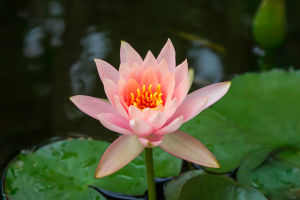
Watching a lotus bloom in your own garden is pure magic. Those delicate petals rising above still water seem almost unreal, but growing lotus at home is easier than most people think.
With a bit of planning and care, your garden pond or container can become a serene oasis filled with these stunning flowers.
Choosing the Right Container or Pond
Lotus needs space for its roots and tubers to expand, so selecting the right container is the first step.
1. Container Size – Pick a wide, shallow container at least 12–18 inches deep. A diameter of 24–36 inches works well for most lotus varieties. This gives the plant room to spread without being cramped.
2. Pond Placement – If you're using a garden pond, make sure it gets at least 6–8 hours of direct sunlight daily. Lotus thrives in bright conditions, which also encourages flowering.
3. Avoid Drainage Holes – Lotus roots prefer standing water, so containers should hold water without drainage. If using a decorative container, line the bottom with heavy clay soil to keep water in place.
Actionable example: A small balcony can support lotus in a 24-inch wide ceramic tub filled with pond soil. Place it near a sunny window or outside railing for full sun exposure.
Planting Lotus Tubers
Planting lotus correctly is crucial to avoid damaging its delicate tubers.
1. Soil Preparation – Use heavy garden clay or aquatic soil. Avoid regular potting soil, which floats and clouds water. Layer 2–3 inches at the bottom of your container.
2. Positioning Tubers – Gently place the tuber horizontally on the soil, keeping growth tips slightly above the soil. Cover lightly with a thin soil layer to hold it in place.
3. Watering Immediately – Slowly add water until it covers the soil by about 2 inches. Avoid pouring directly over the tuber tips to prevent breakage.
Actionable example: For a medium-sized lotus tuber, plant it in a 20-inch container, cover lightly with soil, and add water gradually to avoid floating soil.
Watering and Sunlight Needs
Lotus is an aquatic plant, so water care and light exposure are critical.
1. Water Depth – Keep water level at 2–4 inches above the soil at first. As the lotus grows, you can raise water up to 12 inches for larger varieties.
2. Sunlight – Place your container or pond in a location with full sun. At least 6–8 hours daily ensures strong stems and blooms.
3. Avoid Chlorinated Water – Rainwater or dechlorinated tap water is best. Chlorine can harm roots and prevent growth.
Actionable example: If using tap water, fill a watering can and let it sit for 24 hours before adding to the lotus container. This allows chlorine to evaporate.
Fertilizing and Maintenance
Lotus requires nutrients to thrive and bloom properly.
1. Fertilizer Type – Use slow-release aquatic fertilizer tablets. Push them 2–3 inches into the soil near roots once every 3–4 weeks during the growing season.
2. Removing Dead Leaves – Trim yellow or decaying leaves to prevent nutrient loss and keep water clean.
3. Pest Management – Watch for aphids or snails. Remove them manually or rinse leaves with water. Avoid chemical sprays that can harm the plant or pond life.
Actionable example: Insert one aquatic fertilizer tablet per 12-inch of container diameter every month. Remove any decaying leaves weekly to maintain healthy growth.
Overwintering Lotus
In colder climates, lotus needs special care to survive winter.
1. Indoor Storage – For containers, move them to a frost-free location or basement. Keep the tubers in water or damp soil.
2. Pond Protection – For garden ponds, ensure tubers are deeper than frost level, usually 12–18 inches, to prevent freezing.
3. Avoid Cutting Back Tubers – Only remove dead foliage; leave tubers intact to regrow in spring.
Actionable example: Move a balcony lotus tuber into a large bucket with 4 inches of water in the basement. Keep it cool but above freezing until spring.
Caring for lotus is a journey that rewards patience and attention. By choosing the right container, planting tubers carefully, and providing sunlight, water, and nutrients, your home garden can enjoy a long season of vibrant blooms. Watching the lotus rise gracefully above calm water is not just beautiful—it's a reminder of the delicate balance between care and growth, making every bloom feel earned and magical.