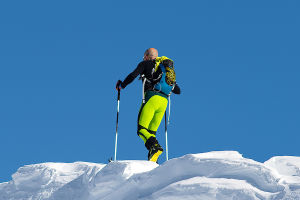
You strap on your skis, hear the crunch of fresh snow beneath your boots, and feel a rush of excitement as you step onto the lift. Skiing can be exhilarating, but the mountain demands respect.
A single slip or overlooked precaution can turn a fun day into a stressful one. Knowing how to prepare, navigate, and protect yourself ensures you enjoy every turn with confidence.
Choose the Right Gear
Safety starts before you hit the slopes. Ill-fitting or improper gear increases the risk of falls and injuries.
Gear essentials:
• Helmet – Protects against head injuries; make sure it fits snugly without pressure points. Modern ski helmets often have vents to regulate temperature.
• Ski bindings – Should be adjusted by a professional to match your weight, skill, and skiing style. Improperly set bindings can fail to release during a fall or release too easily.
• Ski boots and poles – Boots must provide ankle support without causing pain, and poles should reach your armpits when standing upright. Try them on in the morning, when feet are less swollen, to ensure comfort.
Practical tip: Always carry a small repair kit with spare straps and screws—mountain terrain can be unpredictable.
Understand Mountain Conditions
The snow and weather dictate how safely you can ski. Being aware of these variables helps you make smarter choices.
Check before you go:
• Weather forecasts – Strong winds, heavy snowfall, or extreme cold can increase risks. Postpone if conditions are dangerous.
• Trail reports – Ski resorts often post which runs are open, icy patches, and areas with loose snow. Avoid black diamond trails if you’re a beginner.
• Avalanche alerts – In backcountry areas, know the current danger level and never ignore warnings.
Example: If temperatures rise in the afternoon, snow can become slushy. Start early to enjoy firmer conditions that offer better control.
Follow Slope Etiquette
Skiing safely isn’t just about your actions—it’s also about anticipating others. Respecting fellow skiers reduces collisions and confusion.
Essential rules:
• Control your speed – Adjust according to your skill level and slope crowding. Slow down near intersections or beginners.
• Yielding – Skiers downhill have the right of way. Look uphill before merging onto a trail.
• Signals and awareness – Use poles and hand gestures when stopping or changing direction to alert others.
Practical example: When taking breaks near chairlifts, step off the trail entirely to avoid accidents with fast-moving skiers.
Warm-Up and Physical Preparedness
Skiing stresses muscles, joints, and cardiovascular systems. Warming up reduces the risk of strains and sprains.
Preparation tips:
• Stretching – Focus on quads, hamstrings, calves, and lower back before skiing. Dynamic stretches like leg swings mimic ski movements.
• Short practice runs – Start on gentle slopes to wake up your muscles before tackling steeper runs.
• Hydration and nutrition – Drink water and eat a balanced breakfast; energy levels drop quickly in cold environments.
Example: Spending 10 minutes on leg lunges and torso rotations before the first lift can noticeably improve balance and endurance.
Emergency Preparedness
Even careful skiers can encounter accidents. Knowing how to react ensures minor incidents don’t escalate.
Key steps:
• Carry a small first aid kit – Bandages and antiseptic wipes can handle minor scrapes, while on-site staff can assist with anything more serious.
• Know how to reach help – Use the resort’s posted help instructions and note the nearest lift or trail marker so you can describe your location quickly.
• Buddy system – Skiing with a partner reduces the risk of being stranded. Share checkpoints or agree on meeting times if you split up.
Practical example: Avoid leaving marked runs unless you are trained and equipped; if you do, plan a clear route and keep your group together.
End-of-Day Safety Checks
The final runs can be tempting, but fatigue is a major contributor to accidents. Wrapping up safely matters as much as preparation.
Wrap-up tips:
• Listen to your body – Muscle fatigue or soreness signals it’s time to stop. Pushing past limits increases falls.
• Check equipment – Inspect skis, boots, and poles before returning home to avoid damage or injuries the next day.
• Cool down – Gentle stretches reduce soreness and help muscles recover overnight.
Reflecting on your day: Taking a few extra minutes to review the trails you skied and noting what worked—or what nearly caused a fall—helps you improve next time.
Enjoying the Slopes Safely
Skiing is thrilling, but the experience is richer when safety guides your choices. From gear selection and slope awareness to etiquette and emergency planning, these precautions turn a fun adventure into a confident one.
Each careful step, whether checking bindings or hydrating mid-run, adds to your enjoyment and leaves space to savor the snowy landscapes rather than worrying about what might go wrong. Next time you hit the mountain, carry these strategies with you—your future self will thank you for a day full of excitement, skill-building, and smooth descents.