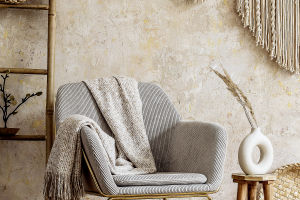
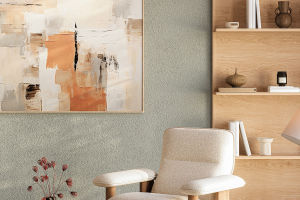
Have you ever walked into a room and felt instantly calm, almost as if the space itself was breathing?
That's the subtle power of minimalist design. By focusing on simplicity, clean lines, and purposeful decor, you can create a home that feels open, airy, and refreshing.
Minimalism isn't just a trend—it's a lifestyle that prioritizes quality over quantity and mindful choices over excess.
Defining the Space
1. Start with a Clear Layout
Minimalist interiors often benefit from clear layouts and uncluttered pathways. Avoid overcrowding spaces with unnecessary furniture. Map out pathways and zones for living, working, and relaxing to ensure smooth movement and visual clarity.
2. Neutral Color Palette
Stick to whites, soft grays, or muted earth tones as your base. These colors create a calm backdrop, allowing light and shadows to play naturally in the room. You can add subtle accents through textures or a single statement piece.
3. Let Light Lead
Maximize natural light wherever possible. Large windows, sheer curtains, and reflective surfaces like mirrors enhance the feeling of openness and reduce the need for heavy lighting fixtures.
Choosing Furniture
1. Functional Pieces
Every item should serve a purpose. Opt for furniture with clean lines and multipurpose designs, such as a sofa with storage or a foldable dining table, to reduce clutter.
2. Quality over Quantity
Invest in durable materials like solid wood, metal, or high-quality upholstery. Fewer, well-made pieces will last longer and contribute to the minimalist aesthetic.
3. Low-Profile Design
Low or sleek furniture emphasizes space and makes rooms feel larger. Avoid bulky or ornate designs that visually dominate the room.
Decor and Accessories
1. Keep Decorations Minimal
Choose a few meaningful items rather than filling every surface. A single piece of art, a small plant, or a sculptural object can provide character without overwhelming the space.
2. Natural Elements
Incorporate wood, stone, or greenery to bring warmth and softness into the room. These elements contrast nicely with the clean lines and neutral colors of minimalist interiors.
3. Hidden Storage Solutions
Minimize visible clutter by using built-in cabinets, concealed shelving, or under-bed storage. Keeping items out of sight maintains the room's airy feel and reduces visual distractions.
Maintaining Minimalism
1. Daily Decluttering
Regularly assess possessions and remove items that are no longer necessary. A minimalist home thrives on conscious choices and mindful ownership.
2. Intentional Arrangements
Arrange furniture and decor purposefully. Empty space is as important as filled space, giving the eyes room to rest and the mind a sense of calm.
3. Limit Patterns and Colors
Stick to simple, solid surfaces for walls, floors, and fabrics. Avoid overly busy patterns or multiple contrasting colors that can distract from the serene atmosphere.
Final Thoughts on Minimalist Interiors
Designing a minimalist home is an exercise in intentionality. It encourages mindfulness, can create a calmer environment, and highlights the beauty of space, light, and carefully chosen objects. By simplifying your interior, you create a sanctuary where each piece has purpose and every corner inspires calm. Start small with one room or one corner, and let minimalism gradually influence not just your space, but your everyday routines.