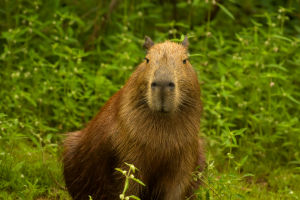
When we walk through forests, parks, or even quiet green corners of cities, we often notice quick, light movements in the trees.
Those small creatures are squirrels, and they might look simple at first glance. But if we take a closer look, we can discover that they are true experts in survival.
What makes them so successful in nature? Let’s explore together how we can understand their world and the smart ways they live every day.
Strong Teeth Built for Daily Challenges
One of the most important features we notice is their continuously growing front teeth. These teeth grow throughout their lives, which helps them handle tough food like hard nuts and seeds.
Instead of becoming a problem, this constant growth becomes a smart advantage. Squirrels naturally wear down their teeth by chewing regularly, keeping everything balanced. This simple yet effective system allows them to feed efficiently without interruption, even in challenging environments.
Climbing Skills and Flexible Movement
Another remarkable ability is their incredible climbing skill. Their claws are curved and sharp, helping them grip bark and move easily between branches.
Even more impressive, their hind legs can rotate up to 180 degrees, allowing them to move downward head-first. This unique movement gives them a big advantage when escaping danger quickly. While many animals struggle on vertical surfaces, squirrels move with confidence and speed in all directions.
Tail Power and Balance Control
The fluffy tail is not just for appearance. It plays many roles in daily life. When squirrels leap between branches, the tail works like a stabilizer, helping them maintain balance in the air.
It also helps them stabilize landings after jumps. During colder moments, it can wrap around their body for warmth. In addition, tail movements are used to communicate signals to other squirrels. This multi-use feature is one of their most important survival tools.
Smart Food Storage Strategy
Squirrels are skilled planners when it comes to food. During times when resources are abundant, they collect and hide food in different places such as underground spots or hidden tree areas.
This behavior ensures they have enough to eat when food becomes harder to find. Interestingly, squirrels sometimes forget some of their hidden stores, which helps new plants grow when seeds are left behind. In this way, their habits also support natural ecosystem growth.
Adaptation to Cold Conditions
Instead of hibernating through long cold periods, squirrels remain active in their own way. During harsher days, they reduce movement and stay in nests for longer periods to save energy.
Their bodies also adapt by growing thicker fur in colder seasons, which helps them stay warm and move more comfortably. These natural changes support their survival in low temperatures.
Sharp Awareness and Quick Reactions
Squirrels are highly alert animals. Their hearing is very sensitive, allowing them to detect even small sounds in their environment. Whether it is wind moving through leaves or approaching animals, they react quickly.
This strong awareness helps them stay safe. Even small unexpected sounds can trigger fast escape responses, allowing them to hide or flee in time.
Simple Defense Behaviors
When facing danger, squirrels sometimes use surprising strategies. One of them is staying completely still for a short time, blending into their surroundings. This reduces attention from potential threats until it is safe to move again.
This shows that survival is not always about strength or speed. Sometimes, stillness and patience can also be effective defense tools.
Lessons from Small Creatures
As we reflect on what we’ve learned, it becomes clear that squirrels are far more than just small forest animals. They are highly adaptive creatures, using physical features and smart behaviors to survive in many environments.
Next time we see a squirrel moving quickly through branches or carefully hiding food, let’s take a moment to appreciate it. Behind those quick movements is a world of strategy, awareness, and balance with nature.
What other small animals around us might also hold hidden survival skills?