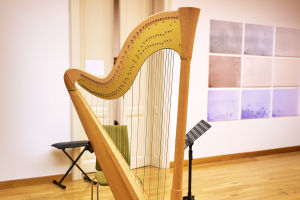
A harp combines delicate craftsmanship with a distinctive, expressive sound.
Whether you play for personal enjoyment or perform on stage, regular maintenance helps preserve its appearance, support tuning stability, and keep it ready for use.
A consistent care routine also makes it easier to identify changes that may require attention.
Clean the Harp Carefully
Dust and fingerprints can accumulate on the frame, soundboard, and strings. Use a clean, soft cloth to wipe accessible surfaces gently, and a soft brush to reach narrow spaces around the tuning pins. Avoid applying excessive pressure to delicate components.
Wash and dry your hands before playing to help keep the instrument clean. Avoid spraying cleaning products directly onto the harp, as certain ingredients may affect its finish or strings. For stubborn marks, follow the care instructions appropriate to your instrument.
Monitor Tuning and Strings
Temperature, humidity, and regular playing can influence a harp's tuning. Check the notes before practice and use an electronic tuner when helpful. Make small, controlled adjustments with the correct tuning key, following the instructions for your instrument.
Inspect the strings periodically for visible wear or changes in condition. Because string materials and replacement procedures vary between harp models, seek qualified assistance when a string needs attention. Keeping a simple maintenance record can help you track tuning adjustments and string replacements.
Keep Room Conditions Consistent
A harp's materials respond to changes in temperature and humidity. Choose a location with relatively stable conditions, away from direct sunlight, heating vents, air-conditioning outlets, and damp areas.
A thermometer and humidity meter can help you monitor the room. If conditions fluctuate considerably, consider appropriate environmental controls based on your harp's care recommendations. When moving the instrument between environments, allow it to adjust gradually before making substantial tuning changes.
Protect the Harp During Storage
Place the harp on a stable, level surface with enough space around it to prevent accidental contact. Keep it away from busy walkways, doorways, and furniture that could strike the frame.
Use a suitable cover or support designed for your instrument. When moving a large harp, follow the recommended handling procedures and ask for assistance when necessary. For travel, choose a properly fitted protective case or cover to help guard against scratches and impacts.
Maintain Comfortable Playing Posture
A well-adjusted playing position supports natural movement and comfortable practice. Choose a stable seat at a suitable height, relax your shoulders, and keep your feet supported. Your arms and hands should reach the strings without unnecessary tension or awkward wrist angles.
Adjust your position to suit the harp's size and your body proportions. A qualified music teacher can help refine your setup if needed. During longer sessions, take short breaks to relax your hands, shoulders, and back.
Build a Consistent Care Routine
Effective harp maintenance depends on a few essential habits: gentle cleaning, regular tuning checks, stable room conditions, secure storage, and comfortable playing posture. Each contributes to keeping the instrument in suitable playing condition.
By incorporating these practices into your routine, you can protect your harp, simplify maintenance, and focus on developing your musical skills.